Gelagen Official Website B12: Which Form
JournalMethylcobalamin Versus The B12 On A Cheaper Shelf
Gelagen’s panel declares its B12 as methylcobalamin, one of two coenzyme forms the body uses directly. Many lower-cost B12 products use cyanocobalamin instead, a synthetic, more stable form that the body converts into the same active coenzymes after it is absorbed. A 2015 review in Molecular Nutrition & Food Research asked directly whether starting with an already-active coenzyme form has a real advantage over cyanocobalamin or hydroxocobalamin for preventing or treating B12 deficiency, and concluded it is not likely to (Obeid 2015). The arithmetic and the chemistry below are both worth the two minutes they take to read.
Four names for one vitamin
Vitamin B12, cobalamin, shows up on ingredient lists under four different chemical names, and it is worth being clear from the start that all four are genuinely the same vitamin in different chemical forms, not four different substances competing for the same job. NIH’s Office of Dietary Supplements lists them as methylcobalamin and adenosylcobalamin — the two forms that function directly as coenzymes in the body — alongside hydroxocobalamin, an intermediate form used mainly in clinical and injectable settings, and cyanocobalamin, a synthetic form manufactured specifically for its stability in supplements and fortified food.
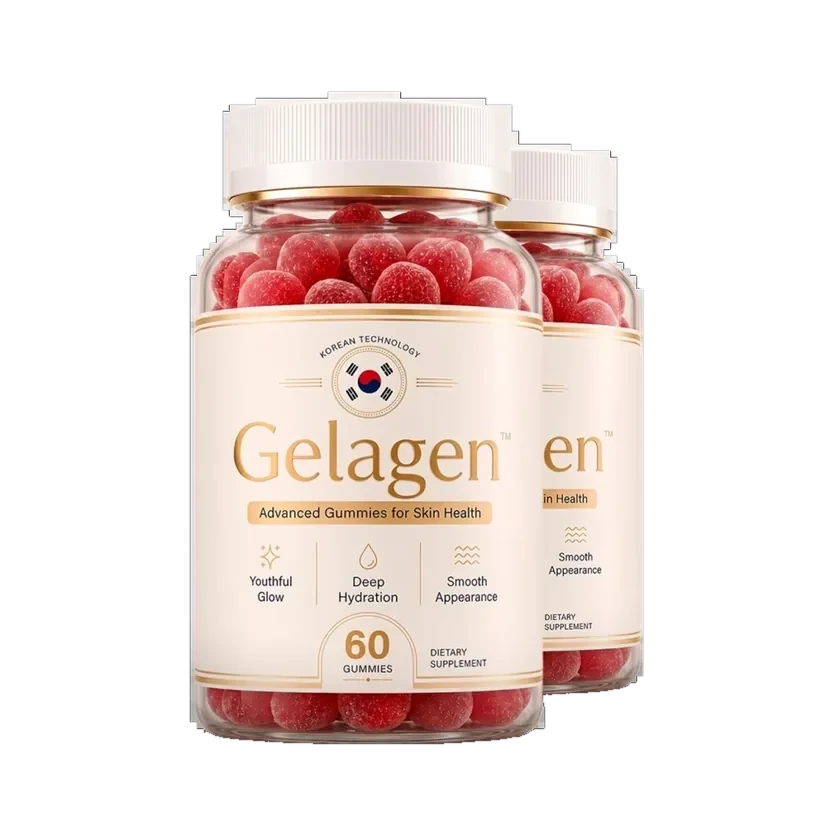
Gelagen’s label declares its B12 as methylcobalamin. That is a factual statement about which of the four forms is in the product, and the rest of this page is about what that specific detail does and does not change, and what it does not, in the evidence examined below.
All four names describe the same core structure: a cobalt atom at the center of a corrin ring, with a different small chemical group attached to that cobalt depending on the form. Swap the attached group and the name changes — a methyl group makes it methylcobalamin, a cyanide group makes it cyanocobalamin, a hydroxyl group makes it hydroxocobalamin, and an adenosyl group makes it adenosylcobalamin — but the vitamin itself, and the biological activity it is capable of once processed, is the same molecule underneath all four labels.
What methylcobalamin actually does inside a cell
Methylcobalamin is a coenzyme for methionine synthase, an enzyme that converts homocysteine into methionine. That reaction sits at the center of the body’s main methyl-donor cycle, which in turn feeds into DNA synthesis and into pathways that also involve folate, tying B12 status to folate metabolism in ways NIH’s own fact sheet describes at length. A separate page on this website covers choline’s own role in a related one-carbon pathway, for readers who want the fuller picture of how these nutrients connect.
Adenosylcobalamin, the other naturally active coenzyme form, has a separate job entirely: it is the coenzyme for methylmalonyl-CoA mutase, a mitochondrial enzyme involved in breaking down certain fatty acids and amino acids. Between the two, methylcobalamin and adenosylcobalamin cover the two reactions in the body that actually require a cobalamin coenzyme to proceed.
This is also where the clinical picture of B12 deficiency connects back to the chemistry. Impaired methionine synthase activity, tied to the methylcobalamin pathway, shows up in the elevated homocysteine levels seen in deficiency. Impaired methylmalonyl-CoA mutase activity, tied to the adenosylcobalamin pathway, shows up as elevated methylmalonic acid, a separate marker clinicians use alongside homocysteine to assess B12 status. Both markers trace back to the same underlying vitamin; they simply reflect the two different coenzyme jobs it performs, and neither marker distinguishes which chemical form of B12 a person happened to consume.
Why cyanocobalamin is the form on most shelves anyway
If methylcobalamin is one of the two forms the body actually uses, a reasonable question is why cyanocobalamin is the more common form in supplements and fortified foods at all. NIH’s fact sheet answers this directly: cyanocobalamin is synthetic and considerably more stable than the naturally occurring forms, holding up better to light, heat and time on a shelf, which makes it the practical choice for manufacturing and for products with a long shelf life. That stability advantage is a manufacturing and shelf-life property, not a statement about how the body uses the vitamin once it is absorbed, and the two kinds of advantage are easy to conflate when a label markets one form over another.

What has to happen to either form before the body can use it
Whichever form of B12 is eaten, it has to travel the same absorption route first: binding to intrinsic factor in the stomach, then being taken up by a specific receptor in the terminal portion of the small intestine. That pathway does not distinguish between forms in any way that changes the fundamentals of absorption — the bottleneck is the intrinsic-factor system itself, not which chemical form of cobalamin is riding on it.
Once absorbed, cobalamin is processed inside cells regardless of its starting form. Cyanocobalamin has its cyanide group removed and replaced before it can function as either coenzyme; hydroxocobalamin goes through a similar conversion. Methylcobalamin, taken as a supplement, already carries the methyl group that one of the two coenzymes needs, which in principle skips one processing step for that specific pathway — but it still has to clear the same intestinal absorption bottleneck as any other form, and the body still has to route some of it toward adenosylcobalamin production for the other coenzyme reaction regardless of which form was ingested.
That last point is easy to miss: even a supplement that supplies methylcobalamin specifically does not supply adenosylcobalamin directly, because no common oral supplement form does. The body still performs that second conversion internally regardless of which of the four forms was swallowed, which means no single supplement form, methylcobalamin included, arrives pre-made for both of the coenzyme jobs described above. The practical difference between forms is therefore narrower than it can sound: a matter of which one processing step is skipped, not a matter of skipping intracellular processing altogether.
The review that asked whether the form matters
Obeid and colleagues published a review in 2015 in Molecular Nutrition & Food Research that looked directly at this question: given that the body converts any absorbed form of cobalamin into the coenzymes it needs, does starting with an already-active coenzyme form like methylcobalamin actually translate into better outcomes for preventing or treating B12 deficiency than starting with cyanocobalamin or hydroxocobalamin? Their conclusion, in the paper’s own terms, is that cobalamin coenzyme forms are not likely to be superior to cyano- and hydroxocobalamin for that purpose (Obeid, Fedosov and Nexo, 2015).
The reasoning tracks the absorption point made above: because the rate-limiting step in B12 nutrition is intestinal absorption rather than the specific form ingested, and because the body reliably converts whichever form gets absorbed into the coenzymes it actually needs, starting one step further along the conversion chain does not obviously produce a meaningfully different result for most people. This is one review’s synthesis of the evidence on the general population question, not a claim that every study on the subject reaches an identical conclusion, but it is a real, peer-reviewed, directly-on-point source for the question this page is asking.
It is also worth being precise about what the review is and is not claiming. It is not a statement that methylcobalamin is inferior to cyanocobalamin, and it is not a claim that the chemical distinction between forms is meaningless in every context — clinicians do choose specific forms for specific situations, hydroxocobalamin in certain injectable protocols among them. What the review speaks to is narrower and more relevant to a gummy supplement shelf: for the general purpose of preventing or correcting ordinary B12 inadequacy in an otherwise healthy person, the published evidence it surveyed did not show the coenzyme forms outperforming the cheaper, more stable synthetic one.
Gelagen’s 6 mcg, against the reference either way
Separate from the form question, the plain dosing arithmetic on this row is straightforward. NIH publishes the adult RDA for vitamin B12 at 2.4 mcg, which is also the Daily Value used on Supplement Facts panels. Gelagen prints 6 mcg per serving, which is 6 divided by 2.4, or 250 percent of that reference.
| Figure | Value |
|---|---|
| Printed amount | 6 mcg, as methylcobalamin |
| RDA / Daily Value | 2.4 mcg |
| Printed amount as % of reference | 250% |
| Declared form | Methylcobalamin |
That 250 percent figure holds regardless of which of the four chemical forms supplied it, because the reference figure and the labeling rule do not distinguish between forms when calculating a percentage — the question this page has been examining, whether the specific form changes practical effectiveness, is a separate one from the question of whether the declared amount clears the published reference.
Where the “active form” framing comes from
It is worth saying plainly where the framing that methylcobalamin is the “better” or “bioactive” form comes from, because the underlying chemistry fact behind it is real even where the marketing conclusion built on top of it runs ahead of the evidence. It is true that methylcobalamin is one of the two forms the body’s enzymes use directly, and it is true that cyanocobalamin has to be converted before it can serve either coenzyme role. Where the framing overreaches is in treating “already in the active form” as equivalent to “works better once swallowed,” which assumes the conversion step is the limiting factor in how much usable B12 a person ends up with.
Obeid’s review is useful precisely because it tests that assumption directly rather than stopping at the chemistry. The conversion step from cyanocobalamin to an active coenzyme is, by the evidence that review surveyed, not the bottleneck that determines B12 status in most people; intestinal absorption further upstream is. A form that skips one downstream conversion step does not skip the upstream bottleneck both forms share, which is why the review’s conclusion runs against the simpler “active form is automatically better” version of the argument.
What “methylcobalamin” on a label is and is not telling you
“Methylcobalamin” on an ingredient line is an accurate, specific statement about which chemical form of B12 is in the product, and it is a real distinction from cyanocobalamin, not a marketing synonym for the same thing. What the evidence reviewed above suggests is that the practical difference this detail makes to how much usable B12 a healthy person ends up with is smaller than “active form” marketing language sometimes implies, because the body converts either starting form into the same two coenzymes before using it, and the shared absorption step upstream of that conversion is the larger bottleneck either way.
The most useful way to read a B12 ingredient line, on this panel or any other, follows the same two-part check used throughout this website: first the dosing arithmetic, printed amount against the published RDA, which for Gelagen comes out to 250 percent regardless of form; and second, if the label names a specific chemical form, what the evidence says that detail actually changes, rather than what a product description implies it changes. For methylcobalamin specifically, the honest answer from the one review that has looked directly at the question is: less than the framing suggests, and not in a way this page can respectably overstate.
- Obeid R, Fedosov SN, Nexo E. Cobalamin coenzyme forms are not likely to be superior to cyano- and hydroxyl-cobalamin in prevention or treatment of cobalamin deficiency. Mol Nutr Food Res. 2015;59(7):1364-72. https://pubmed.ncbi.nlm.nih.gov/25820384/
- NIH Office of Dietary Supplements. Vitamin B12: Fact Sheet for Health Professionals. https://ods.od.nih.gov/factsheets/VitaminB12-HealthProfessional/

Read the Gelagen label for yourself
Thirteen nutrients with an amount beside every one, two gummies a day, and sixty days from the date you buy.
$49 to $79 a bottle · 60 days from the day you buy
Order Gelagen On The Official WebsiteFree US shipping on three and six bottles · 60-day money-back guarantee · lot GEL-26/GE-6362