Gelagen Official Website Journal FDA approved?
JournalIs Gelagen FDA Approved? The Seals and the Korean Technology Mark Decoded
No. Gelagen is a dietary supplement, and no dietary supplement is FDA approved. A registered FDA facility seal means the plant is listed, not inspected or approved. The GMP mark names no auditor or date, and the Korean Technology roundel is label art that names no plant, process or standard.
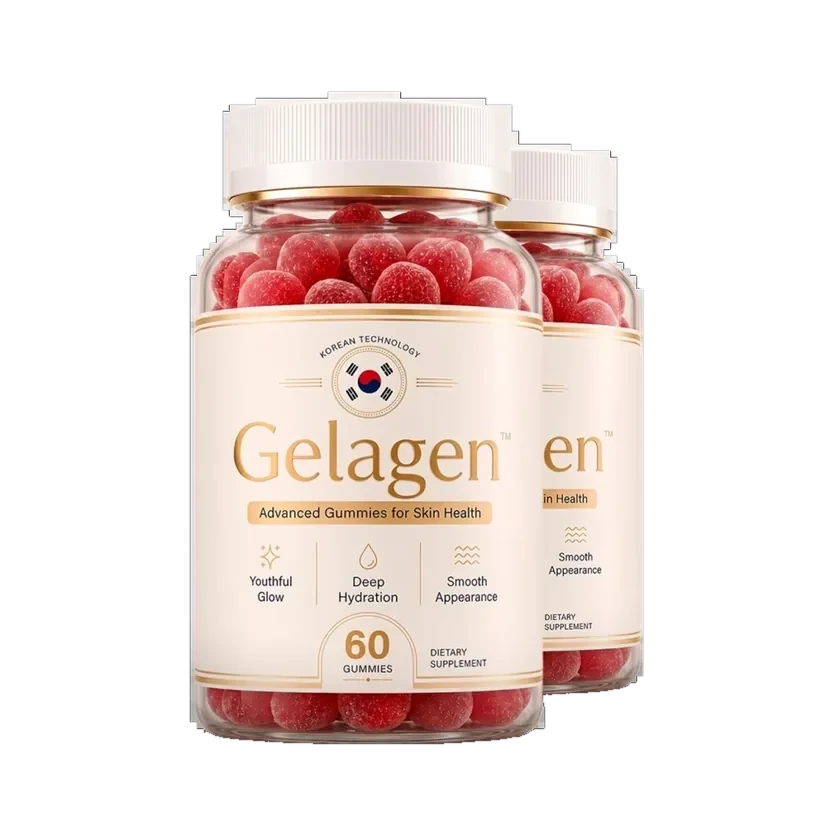
Seals are marketing; the order page at least shows the real pack totals and the guarantee wording together.
See today's price and guaranteeDisclosure: this desk earns money when an order is placed through its checkout.
- Gelagen is a dietary supplement, not a drug, and it is not FDA approved.
- Four seals appear in the artwork: Registered FDA Facility, GMP Certified, Foreign and Domestic Ingredients, and 100% Satisfaction money-back.
- FDA registered is not FDA approved. Registration is a listing, not an inspection result.
- Nothing beside the GMP mark says who audited the plant or when.
- A Korean Technology roundel sits above the product name. No source we hold says where the product is made.
- Required label line: these statements have not been evaluated by the Food and Drug Administration.
Is Gelagen FDA approved?
No. And you will not find a dietary supplement that is. Approval is a process for drugs. It involves trials, a review and a decision about a specific product and a specific condition. Supplements reach the shelf without that step, which is how the category is arranged and not a flaw in this gummy.
So any page that tells you a supplement is “FDA approved” is using the wrong word. The NIH consumer sheet on supplements says as much in its own terms. A supplement that claimed approval would be making the one statement it may not make.
That is why our footer says it on every page: a dietary supplement, not a drug, and not FDA approved. It also says the gummy is not intended to diagnose, treat, cure or prevent any disease.
What do the four seals on the Gelagen pack mean?
Four seals travel with the pack. Three describe the plant or the sourcing. One is a promise about your money. This table sets out each one.
| Seal | What it tells you | What it does not |
|---|---|---|
| Registered FDA Facility | The plant is on the FDA’s list. | That any inspection happened, or that any product is approved. |
| GMP Certified | The seller states the plant works to good manufacturing practice. | Who audited it, or when. |
| Foreign and Domestic Ingredients | The raw materials come from more than one country. | Which countries or which suppliers. |
| 100% Satisfaction (money-back) | A promise about your money: 60 days from purchase. | Anything about the contents of the jar. |
These come from the seller’s own artwork. Our testing and quality page treats each at more length.
Why is FDA registered not the same as FDA approved?
Registration is a requirement placed on the plant, not a mark of favour for the product. A plant files details of itself and its products, and the agency logs them. That is the whole of what the roundel on the pack certifies.
It is real, and it is a smaller thing than it looks. A registered plant is on a list and subject to the rules that come with being on it. The list does not grade the plant, and it forms no opinion about the gummy.
This roundel is the mark most likely to be read as the opposite of what it says. Someone who reads the roundel as an approval will misjudge the rest of the pack, including the parts that do deserve weight.
What does the GMP mark certify?
Of the four, it is the only seal that points at an audit. Good manufacturing practice covers how a plant is run: written procedures, trained staff, cleaned and calibrated equipment, records of what was made and when, and checks on what goes in and out.
A GMP claim is worth more with two fields beside it: a named certifying body you can look up, and a date that shows how recent the audit was. On this pack, neither appears in the seller’s material. So what you can take from it is that the seller states the plant works to GMP. That is a statement by the seller, not a certificate handed over by a third party.
If the difference matters to you, ask the seller who certified the plant and when. Treat that answer as the part that counts.
What does Korean Technology mean, and is Gelagen from Korea?
The front of the jar carries a “Korean Technology” roundel above the product name, and the artwork prints a South Korean flag. People then search for Gelagen Korea, Gelagen Korean or Korean gummies, and wonder whether it is made there.
The roundel is label art. It names no plant, no process and no standard. No source this desk holds says where Gelagen is made, so we do not read the roundel as a statement about sourcing, manufacturing standard or quality. It belongs with the colour of the lid rather than with the thirteen amounts on the panel.
If origin matters to you, it is a fair question for the seller before you buy. Until it is answered in writing, treat “where made” as not published.
Gelagen is a chewable gummy, whatever the roundel implies. It does not come as capsules, tablets, powder or drops.
What does the FDA statement on the label mean?
The line says that these statements have not been evaluated by the Food and Drug Administration and that the product is not intended to diagnose, treat, cure or prevent any disease. It sits there because the claims on a supplement are structure or function claims. The FDA describes this category and the regulation behind it sets the required wording.
A structure or function claim says how a nutrient affects the normal working of the body, is not pre-approved and must carry that line. A claim about treating hair loss would be a disease claim, and a disease claim turns a supplement into an unapproved drug. For advertising, the FTC’s guidance asks for competent and reliable scientific evidence.
Measured that way, “skin radiance and firmness” is the seller’s claim with nothing published behind it for this product. Treat the statement as information, not as small print.
What can you check instead of seals?
- The panel. Thirteen nutrients, thirteen amounts, no blend. This you can read yourself.
- The lot code on the base of the jar against the order record. It tells you which run a jar came from. It is not a purity or potency test.
- The guarantee wording, in both of its sentences.
- Independent testing, if you want it. This desk has commissioned none and publishes no laboratory report.
- Public guidance. MedlinePlus on dietary supplements is a calm place to start.
Frequently asked questions
Is Gelagen FDA approved?
No. Gelagen is a dietary supplement and no dietary supplement is FDA approved. Approval is a process for drugs.
What does the FDA registered facility seal on Gelagen mean?
It means the plant is on the FDA’s list. Registration is a listing, not an inspection result, and it approves no product.
Does GMP certified mean Gelagen was audited?
The seal states the plant works to good manufacturing practice, but the seller’s material names no certifying body and no audit date.
Is Gelagen made in Korea?
No source this desk holds says where Gelagen is made. The Korean Technology roundel is label art and names no plant, process or standard.
Are Gelagen Korean gummies the same as capsules or pills?
Gelagen is a chewable gummy and does not come as capsules, tablets, powder or drops.
Why does the label say the FDA has not evaluated these statements?
Because the claims are structure or function claims, which are not pre-approved. The line is required, and it says the product is not intended to diagnose, treat, cure or prevent any disease.
Our view
The seals are the loudest part of a supplement jar and the least informative. They describe a building and a promise. The panel on the back describes the contents, and it is the part you can check yourself.
We would give the pack a modest, fair mark. Thirteen printed amounts and a plain money-back mark are a good start. A GMP seal with no auditor, and a Korean Technology roundel with no meaning attached, are things to ask the seller about rather than things to lean on.
To repeat the answer: no FDA approval, because it is a supplement and not a drug. Speak to a doctor or pharmacist if you take prescription medicine, are pregnant or nursing, or manage a diagnosed condition.
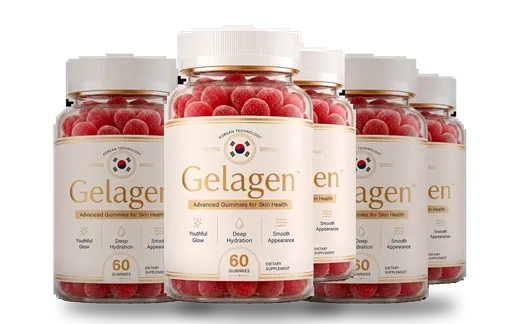
If you would rather judge the jar by its label than its seals, the order page shows the packs and the guarantee before you pay.
See today's price and guaranteeDisclosure: this desk earns money when an order is placed through its checkout.
Last updated October 15, 2026
- Dietary Supplements: What You Need to Know, NIH Office of Dietary Supplements → open the source
- Structure/Function Claims, U.S. Food and Drug Administration → open the source
- 21 CFR 101.93 - Certain types of statements for dietary supplements, Electronic Code of Federal Regulations → open the source
- Health Products Compliance Guidance, Federal Trade Commission → open the source
- Dietary Supplements, MedlinePlus, U.S. National Library of Medicine → open the source